Told in the hills
The large cardamom capital of the world
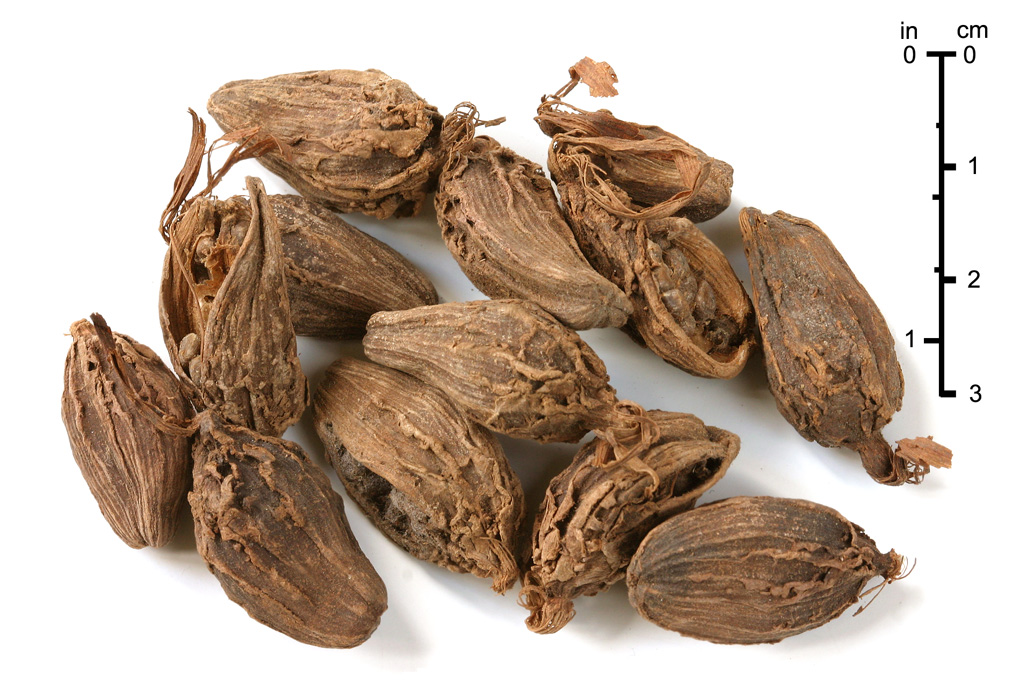
Mangan district calls itself the large cardamom capital of the world. Large cardamom, also called black cardamom, is a different plant from the small green cardamom of South India. It grows in shaded, damp gullies under trees such as alder, and its big, smoky pods flavour curries, garam masala and teas across South Asia.
The climate and terrain of the district suit it well, and for many Lepcha and Nepali farming families in Mangan and Dzongu it is the main cash crop. Pods are harvested in autumn, from about August to November, and dried over wood fires in simple kilns called bhattis, which gives them their smoky taste.
Cardamom also explains the landscape you see from Singhik. The dark patches of forest on the slopes below the villages are often cardamom plantations under shade trees, not wild jungle. Ask in the Mangan bazaar for a small bag of local pods; they make a better souvenir than anything plastic.
Pinned to the board
Did you know
Mangan district is the largest of Sikkim's six districts by area and had about 43,700 people in 2011, among the lowest totals in India.
Siniolchu, visible from Singhik, was first climbed in 1936 by the German climbers Karl Wien and Adi Göttner.
The powerhouse of the Teesta-III project was built at Singhik, downstream of the dam at Chungthang.