Told in the hills
The mountain that witnessed an oath
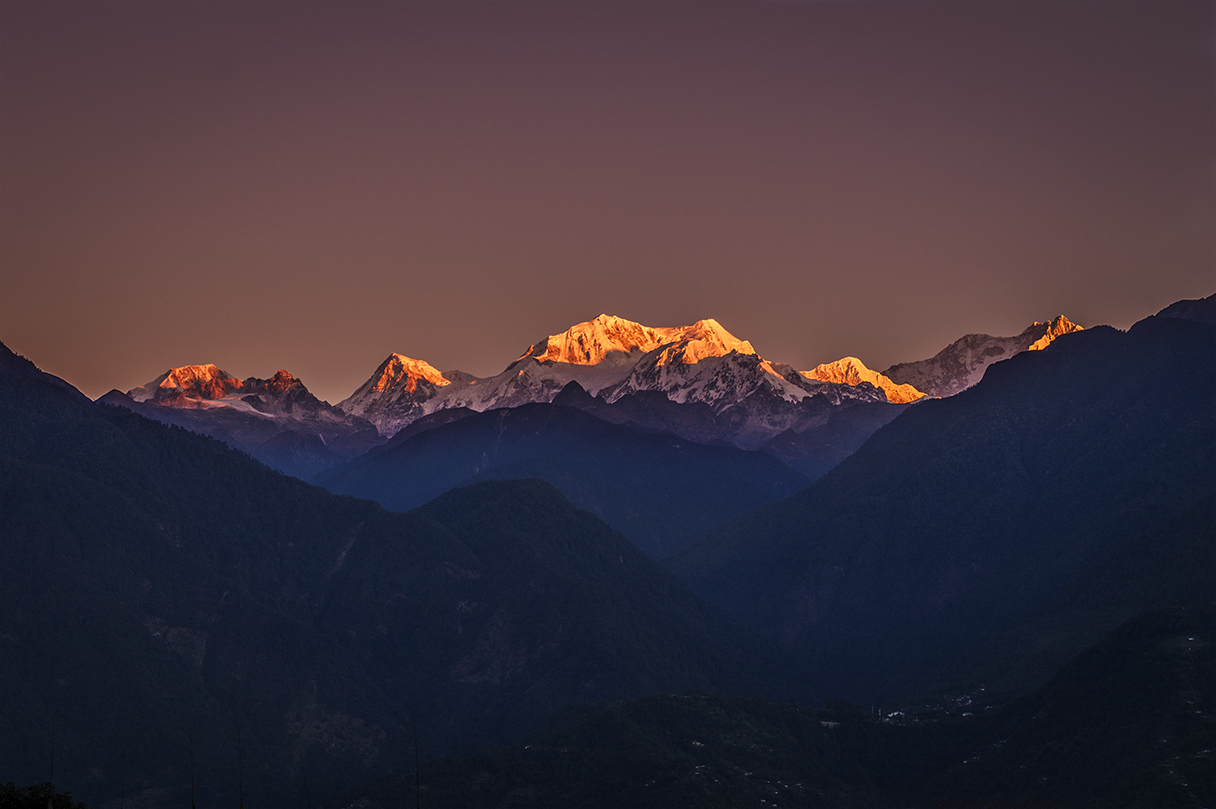
Pang Lhabsol falls on the 15th day of the 7th Tibetan month, usually late August or September, and it is a festival that belongs to Sikkim alone. It honours Kangchenjunga as the guardian deity of the land. It also recalls a much older story. Sikkimese tradition holds that in the 13th century a Tibetan prince, Khye Bumsa, travelled to meet the Lepcha elder Thekong Tek because he and his wife had no children. The elder gave his blessing, and three sons followed.
The friendship that grew from that meeting was sealed as a blood-brotherhood at Kabi Longtsok, in today's North Sikkim. As the story is told, stone pillars were raised, animals were sacrificed and the mountain was called on as witness. From Khye Bumsa's line came Phuntsog Namgyal, crowned the first Chogyal at Yuksom in 1642. So when Pang Lhabsol honours Kangchenjunga, it also marks the day Lepcha and Bhutia families promised to stand together, with the snow peak as their witness.
Ravangla now hosts a week-long Pang Lhabsol celebration with dances, cultural programmes and a fair; the 42nd edition ran from 30 August to 7 September 2025. Ralang Monastery nearby holds its own Pang Lhabsol rites and masked dances. Since 2013 the town has had a second landmark facing the same mountains: the copper Buddha of Tathagata Tsal. Festival dates follow the lunar calendar and move each year, so check current status before you travel.
Pinned to the board
Did you know
Ravangla's 130-foot Buddha was made from about 60 tonnes of copper using the repoussé technique, in which metal sheets are hammered into shape from the reverse side.
Maenam Wildlife Sanctuary, on the ridge above Ravangla, was set up in 1987 and covers about 36 sq km of forest known for medicinal plants.
The new Ralang Monastery, Palchen Choeling, was completed in 1995 under the 12th Gyaltsab Rinpoche of the Kagyu school, and the older Karma Rabtenling stands just to its west.