Told in the hills
The village that said no to dams
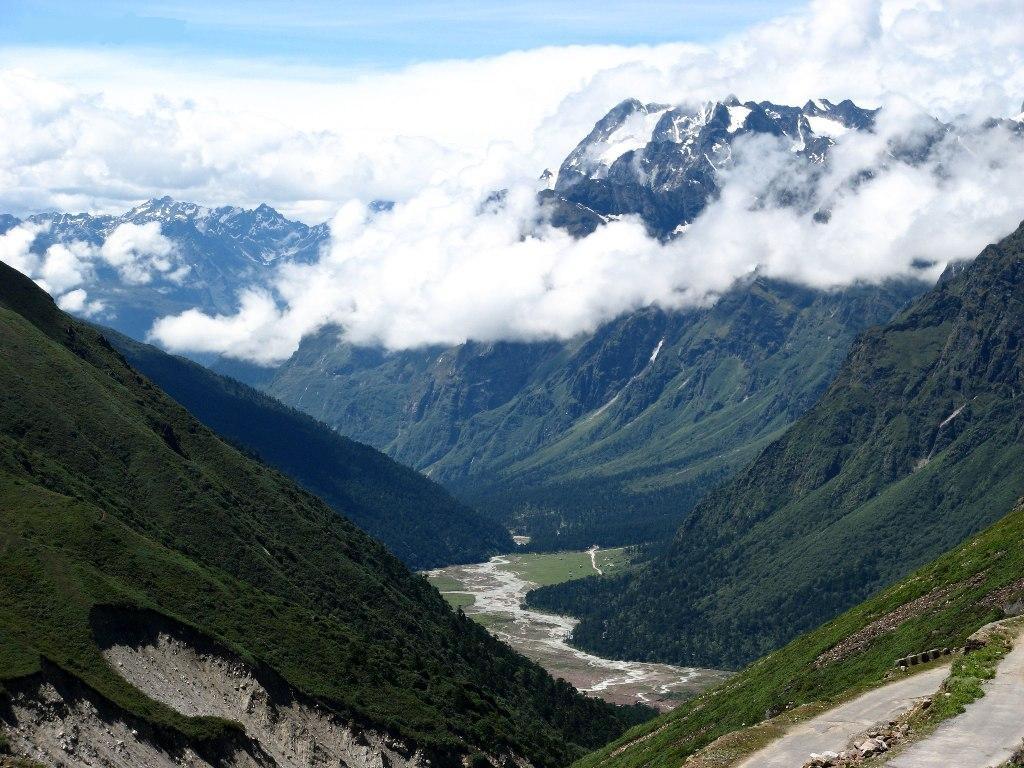
In 2006 a large hydropower project was proposed in the Lachung valley, one of dozens planned on the Teesta and its tributaries in those years. According to a 2024 account by the research group Kalpavriksh, the Dzumsa of Lachung discussed it and in 2009 decided to ban hydropower projects on its rivers outright. It went further and made proposing a dam in public a breach of village rules.
The Dzumsa is old. It took its present form in the first half of the 19th century, and the Sikkim government formally recognised it in 2001 so that it could continue alongside the panchayat system. The Pipon must traditionally be over 45, know village custom and is chosen in December by the Tibetan calendar, assisted by Gyapons who act as constables. Party flags are not allowed inside the valley.
The decision looked different after 4 October 2023, when the glacial flood from South Lhonak destroyed the 1,200 MW Teesta-III dam downstream at Chungthang. The Lachung valley had no dam to lose. Ask your host about the Dzumsa; most families are proud to explain it, and it is the best way to understand why Lachung feels so orderly.
Pinned to the board
Did you know
Joseph Dalton Hooker described Lachung as the most picturesque village of Sikkim in his Himalayan Journals, published in 1854.
The Lachung Monastery, a Nyingma gompa above the village, was established in 1880 and holds an annual masked dance.
The Lachung Chu and the Lachen Chu meet at Chungthang, 21 km downstream, to form the Teesta River.