Told in the hills
Fourteen rhinos to more than three hundred
Jaldapara was declared a sanctuary in 1941 to protect wildlife, especially the rhino, in the grasslands of the Torsa. Through the following decades the rhinos suffered from poaching for their horns, from grassland lost to farming and settlement, and from floods that changed the river's course. By 1985 the count had fallen to just 14 animals, and many thought the species would vanish from Bengal.
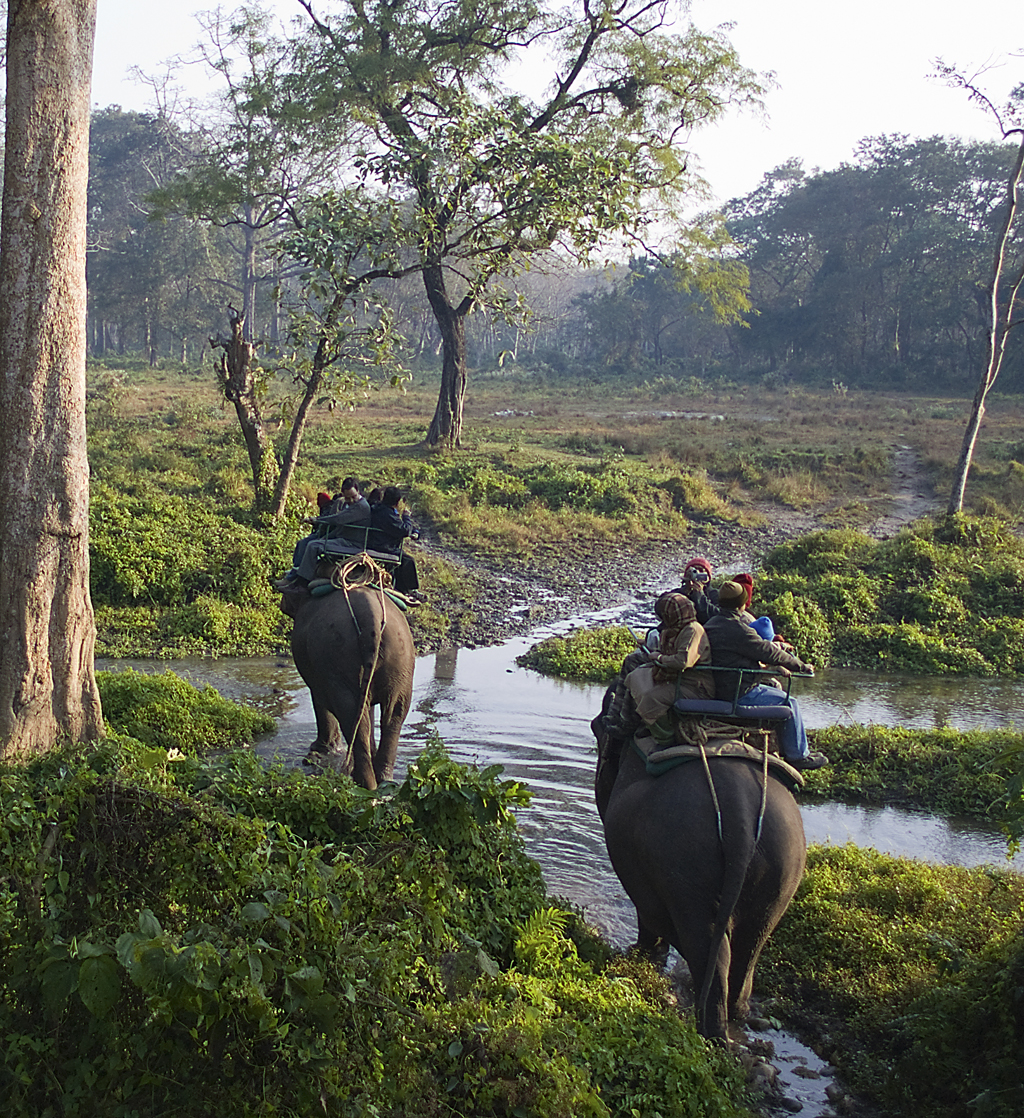
The recovery came from slow, unglamorous work. The forest department armed and equipped its staff, built anti-poaching camps and watchtowers, patrolled on elephant-back and by vehicle, planted fodder, maintained wallows and salt licks, and managed the grassland by controlled burning. Fringe villages were drawn in through eco-development committees. By 2022 there were 292 rhinos, and the March 2025 census estimated 331. Jaldapara has become one of India's quieter conservation successes.
Pinned to the board
Did you know
Jaldapara had only 14 rhinos in 1985; the March 2025 census estimated 331, the second-largest population in India after Kaziranga.
Jaldapara was first protected as a sanctuary in 1941 and covers about 216 sq km on the banks of the Torsa river.
The wooden Hollong Tourist Lodge inside the park burned down on 18 June 2024 while the park was closed for the monsoon; no one was hurt.