Told in the hills
The vase that tells Sikkim its future
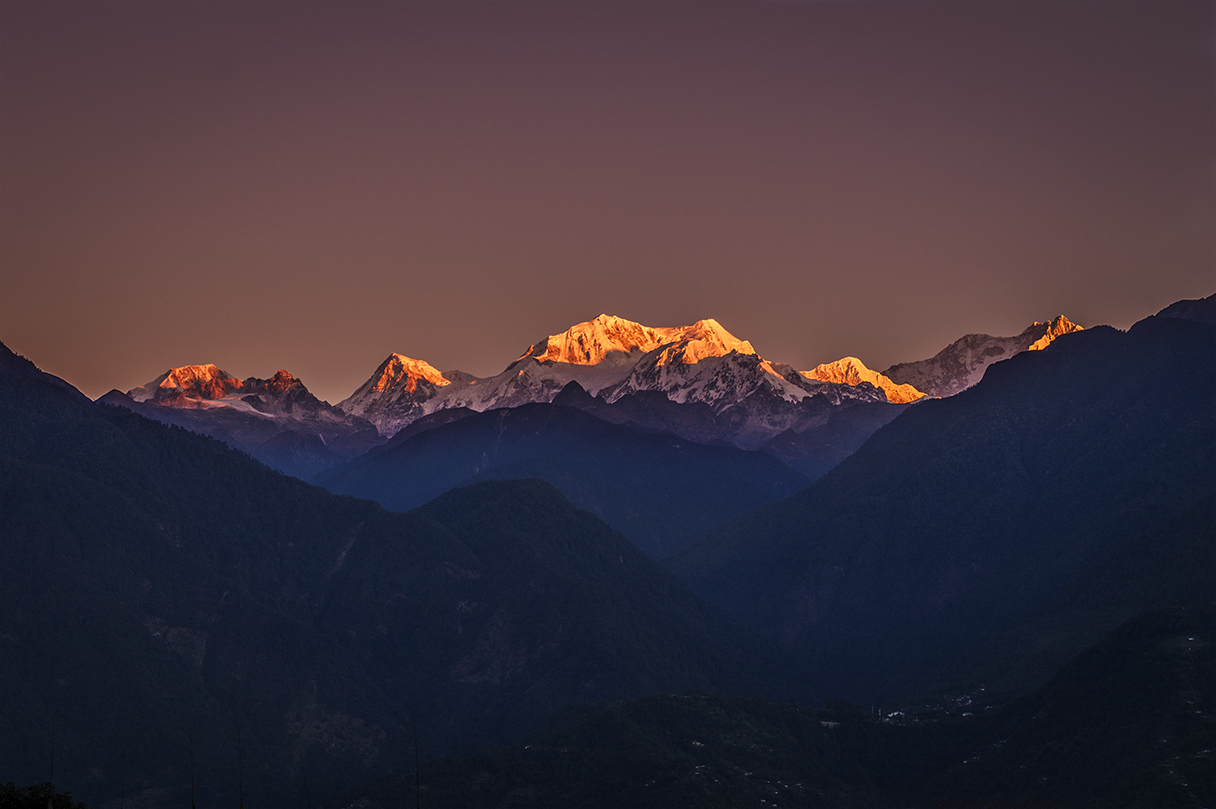
Tashiding was founded in 1641 by Ngadak Sempa Chenpo, one of the three Nyingma lamas who met at Yuksom and crowned Phuntsog Namgyal the first Chogyal in 1642. It was extended and renovated in 1717 during the reign of the third Chogyal, Chakdor Namgyal. Tradition tells that three monks saw a bright light shining on the top of Kangchenjunga, reflected onto this hill, and heard divine music. They built a small chorten there, the Thongwa Rang Drol, which it is said frees anyone who simply sees it.
The monastery is best known for a sacred vase. Tradition holds that Guru Padmasambhava blessed a vase of water gathered from holy places in India and beyond, and that it was later found and placed at Tashiding. Each year, on the 14th and 15th days of the first Tibetan month, lamas open the vase in front of the crowd. According to Wikipedia's account of the Bhumchu festival, if the water is full there will be peace and plenty; if it overflows, disturbance; if it is low, famine.
After the reading, the lamas share a little of the water with devotees, then top up the vase with river water and seal it again for the next year. In 2026 the festival fell on 3 March. For pilgrims it is the most important day of the year here, and people walk up the hill in long lines carrying bottles for the blessed water. Visitors are welcome, but this is a religious rite, not a show, so be respectful.
Pinned to the board
Did you know
The flagstones around Tashiding Monastery were carved with 'Om Mani Padme Hum' by a craftsman named Yanchong Lodil.
Wikipedia lists 41 chortens of different kinds at Tashiding Monastery.
Tashiding Monastery was extended and renovated in 1717 during the reign of the third Chogyal, Chakdor Namgyal.