food · Mangan and Singhik, North Sikkim
Cardamom and the Mangan bazaar
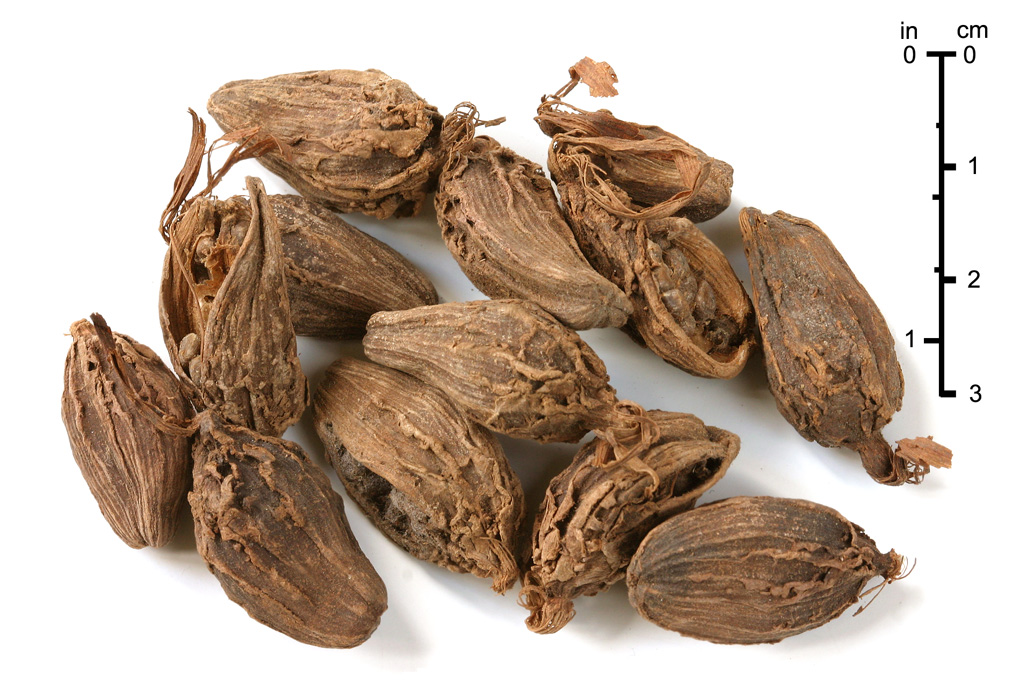
Mangan's bazaar is small and practical: grocers, hardware shops, tea houses and a few stalls selling produce from nearby villages. On market mornings, farmers bring greens, beans, oranges in winter, chhurpi (hard yak or cow cheese) and, in season, sacks of large cardamom.
Large cardamom pods are dark brown, wrinkled and much bigger than green cardamom, with a smoky smell from being dried over wood fires. Choose whole, firm pods without mould. A 100 g pack is plenty for a family kitchen for months; expect ₹150–300, indicative, 2026, depending on season and quality.
Have tea and a plate of momos at one of the small restaurants and watch the jeeps load up for Lachung, Chungthang and Dzongu. If you are in Mangan between August and November, ask whether anyone can show you a cardamom drying kiln on the edge of town.
Good for
Questions people ask
Good to know
Why is Mangan called the cardamom capital
Mangan district grows a great deal of large cardamom, also called black cardamom, in its shaded, damp valleys, and the district describes itself as the large cardamom capital of the world. It is a major cash crop for farmers in Mangan, Dzongu and the surrounding villages.
When is cardamom harvested in Sikkim
Large cardamom is usually harvested from about August to November, then dried over wood fires in simple kilns, which gives it a smoky aroma. Fresh-season pods reach the Mangan and Gangtok markets in autumn and winter. Dried pods are available year-round.
Where can I buy cardamom in North Sikkim
The Mangan bazaar is a good place, with local pods at fair prices. You can also buy in Gangtok's Lal Bazaar. Look for whole, firm, dry pods without mould or dust. Avoid buying from roadside stalls catering only to tourists, where prices are higher.


