Now in the hills

DarjeelingTour Plan
Bumthang
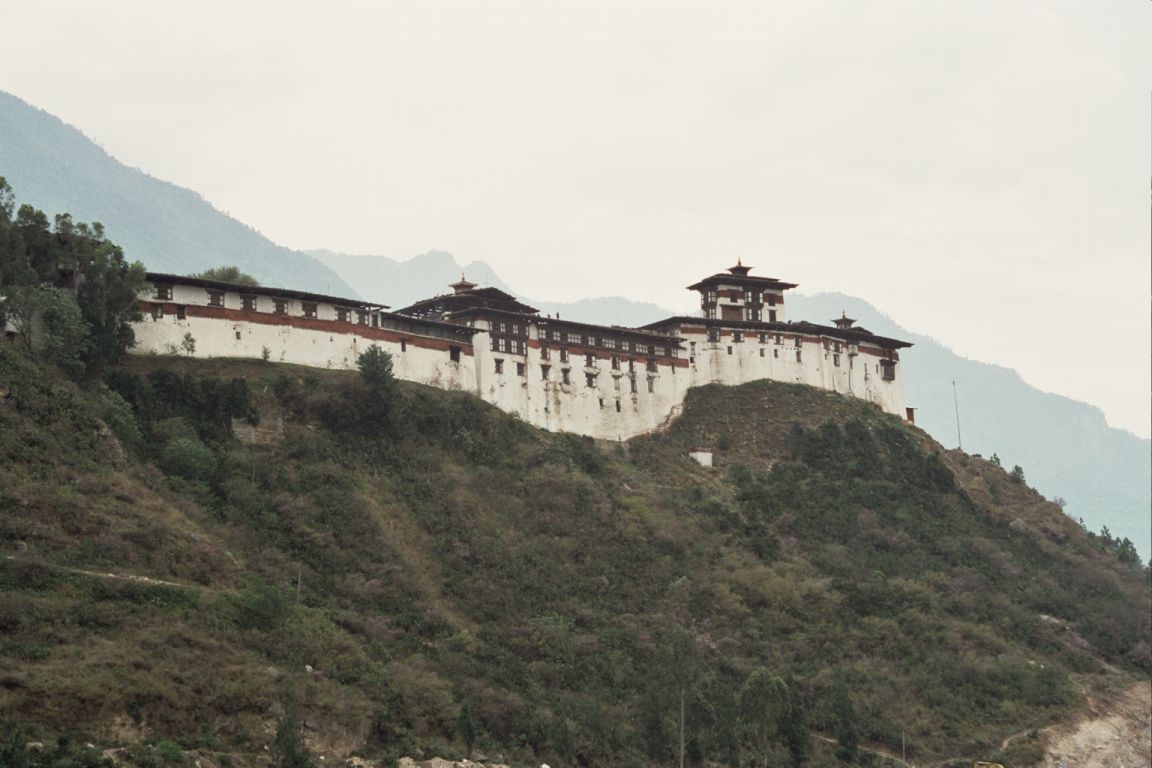
Photo: PgyamtshoBT · CC0, Wikimedia Commons

valley · Bhutan

Four high valleys and the oldest temples in Bhutan

Best Mar – May · Oct – Nov3 nights
Bumthang is Bhutan's spiritual heartland: four glacial valleys at 2,600–3,100 m in the centre of the country, around the town of Jakar. It has some of Bhutan's oldest temples, the Burning Lake of Pema Lingpa and the Jambay Lhakhang Drup festival. Allow three nights, after a two-day drive or a domestic flight.

Bumthang means something like 'beautiful field', and the name fits. The district is made of four broad glacial valleys, Chhoekhor, Tang, Ura and Chhume, separated by forested ridges at 2,600–3,100 m. Jakar, the main town, sits in Chhoekhor above the Chamkhar Chhu. Fields of buckwheat, wheat and potatoes cover the valley floors, and the farmhouses are large, white and timber-framed. People here speak Bumthangkha, their own language, alongside Dzongkha.

For Bhutanese, Bumthang is the place where Buddhism took root. Tradition holds that Jambay Lhakhang was built in the 7th century by the Tibetan king Songtsen Gampo; Guru Rinpoche is said to have meditated and left the print of his body at Kurjey in the 8th century; and the 15th-century treasure-revealer Pema Lingpa, born here, pulled sacred texts from the Burning Lake. The first three kings of the Wangchuck dynasty are cremated at Kurjey, and the royal family's early palaces stand in Jakar.

Getting here takes effort, which keeps visitor numbers low. By road from Punakha or Phobjikha it is a full day over Pele La and Yotong La via Trongsa, so most itineraries spend at least 9 nights in Bhutan to include it. Domestic flights from Paro to Bathpalathang airport near Jakar run on some days; check the current schedule. Spring, from March to May, and autumn, from late September to November, are best. Winter is cold but dry, and the October–November Jambay Lhakhang Drup is the year's big festival.

Don't miss

Highlights of Bumthang

Jambay Lhakhang

Tradition dates this small temple to the 7th century and King Songtsen Gampo, one of 108 built to pin down a demoness. It hosts the Jambay Lhakhang Drup each October or November, with a midnight fire blessing. Entry about Nu 500, indicative 2026.

Kurjey Lhakhang

Three temples against a cliff where Guru Rinpoche is said to have meditated and left the imprint of his body; Kurjey means 'body imprint'. The first three kings of Bhutan are cremated here. A spring below is held to have healing water.

Membartsho, the Burning Lake

A deep pool in a gorge of the Tang Chhu, about 30 minutes' drive from Jakar, where legend says Pema Lingpa recovered treasure with a burning lamp in his hand. Pilgrims float butter lamps on the water. Take care on the rocks; there are no railings.

Jakar Dzong above the town

The 'castle of the white bird' stands on a ridge above Jakar and houses the district administration and monks. Its long walls and tall tower watch over the Chhoekhor valley. A short walk up from town gives a good view at sunset.

Tamzhing and Pema Lingpa's chain mail

Founded by Pema Lingpa in 1501, Tamzhing holds old wall paintings and a chain-mail coat said to be his work. Pilgrims carry it around the inner shrine. The monastery is across the river from Kurjey by a footbridge.

Ura village and its cobbled lanes

An hour east of Jakar over a pass, Ura is a compact village of stone-walled farmhouses and cobbled lanes, famous for the Ura Yakchoe festival in spring. Walk through it slowly; it is one of the most intact villages in Bhutan.

Told in the hills

Pema Lingpa and the lake that burned

Pema Lingpa (1450–1521) was born in Bumthang and became the most important of Bhutan's tertons, the 'treasure-revealers' who are believed to recover teachings hidden by Guru Rinpoche centuries earlier. The Bhutanese royal family traces its descent from him. Bumthang is full of his traces: he founded Tamzhing Monastery in 1501, and a coat of chain mail there is said to have been made by him. Pilgrims carry it three times around the inner temple to cleanse their sins.

His most famous story is told at Membartsho, a pool in a gorge of the Tang Chhu. Legend says Pema Lingpa, accused of being a fraud, dived into the river holding a lit butter lamp and declared that if he was genuine he would return with treasure and the lamp still burning. He came up with a chest of sacred texts and the lamp alight, and the place has been called the Burning Lake ever since. Pilgrims still float butter lamps on the water. It is a legend, told reverently.

Pinned to the board

Did you know

The remains of Bhutan's first three kings are kept at Kurjey Lhakhang in Bumthang.

Bumthang has its own language, Bumthangkha, with different dialects in each of its valleys.

Tamzhing Monastery in Bumthang was founded in 1501 by Pema Lingpa, the treasure-revealer from whom Bhutan's royal family descends.

Getting there

How to reach Bumthang

Reserved car with guideFrom Phobjikha or Punakha it is a long day east: about 120 km to Trongsa over Pele La (≈ 3,390 m) and another 68 km over Yotong La (≈ 3,425 m) to Jakar, 7–8 hours of driving in all. Most itineraries break it with a night in Trongsa or Phobjikha. Check current status before you travel; winter snow can close the passes for hours.
Domestic flightDrukair has operated domestic flights between Paro and Bathpalathang airport near Jakar on some days of the week, taking about 30 minutes. Schedules are limited and change by season, so check before you plan. Flying one way and driving the other saves a long day.
BusBhutanese buses link Thimphu and Jakar in a long day, but as a tourist you need a guide and a route permit throughout, so a hired car with guide is the normal way. A car with driver costs ₹4,500–6,500 a day, indicative 2026.

Costs in Bumthangindicative, 2026

  • Jambay Lhakhang, Kurjey, Tamzhing, Jakar Dzong≈ Nu 500 each, indicative 2026
  • Certified 3-star hotel in Jakar₹3,500–6,000 per room night, indicative 2026
  • Farmhouse homestay with dinner₹2,500–4,500 per room night, indicative 2026
  • Car with driver₹4,500–6,500 a day, indicative 2026
  • Buckwheat puta or pancake lunch₹200–400 per person, indicative 2026

Fares and fees change with fuel prices, season and local union rates. Check current rates before you travel.

Money-saving tip

Drive to Bumthang and fly back to Paro only if the fare is close to the cost of two more car-and-guide days; otherwise drive both ways and save the flight money.

Where to stay

Sleeping in Bumthang

Jakar town and the slopes around it hold most of the hotels, with a few farmhouse homestays in Chhoekhor, Tang and Ura. Choose a certified 3-star hotel in Jakar for ₹3,500–6,000 per room night, indicative 2026; many have wood stoves and simple Bhutanese food. Farmhouses in Tang and Ura cost less and include dinner. At the top end, Amankora has a lodge in Jakar near Wangdicholing Palace. Rooms fill during the Jambay Lhakhang Drup in October–November, so book early.

On the map

Map of Bumthang, Trongsa, Phobjikha and Gangtey, Wangdue PhodrangIndiaChinaBhutanBumthang1BumthangTrongsa2TrongsaPhobjikha and Gangtey3Phobjikha and GangteyWangdue Phodrang4Wangdue Phodrang25 kmN
  1. 1Bumthang
  2. 2Trongsa
  3. 3Phobjikha and Gangtey
  4. 4Wangdue Phodrang
Drawn by Darjeeling Tour Plan from Natural Earth outlines (public domain). Borders as depicted by India. Not for navigation.

Questions people ask

Bumthang: questions answered

Is Bumthang worth the long drive

Yes, if you have at least 9 nights in Bhutan. Bumthang has the country's oldest temples, the Burning Lake, rural valleys, its own food and the Jambay Lhakhang Drup. The drive over Pele La and Yotong La is long but beautiful, and few tourists make it, so sites are quiet. On a 5–6 night trip, skip it.

How do I reach Bumthang from Thimphu

By car over Dochula to Punakha, then via Wangdue, Pele La, Trongsa and Yotong La: about 270 km, usually split over two days with nights in Punakha or Phobjikha. Domestic flights from Paro to Bathpalathang near Jakar run on some days; check the current schedule. A route permit is needed.

How many days do I need in Bumthang

Three nights is ideal: one day for Jambay Lhakhang, Kurjey, Tamzhing and Jakar Dzong; one for the Tang valley and Membartsho; one for Ura village or a hike. Two nights covers the main temples if you are short of time. Add travel days at each end.

When is the Jambay Lhakhang Drup festival

In October or November, following the lunar calendar. It lasts several days and is famous for the Mewang fire blessing, in which people pass under a burning gate, and for a sacred midnight dance. Dates change each year; check the official festival calendar and book Jakar hotels early.

Is Bumthang cold

Yes, compared with Punakha. At 2,600–3,100 m, nights in December and January fall well below freezing and days are crisp. Spring and autumn nights are cool, around 5 °C. Pack warm layers year round and ask if your hotel room has a heater or wood stove.

Are there flights to Bumthang

Bathpalathang airport near Jakar has domestic flights from Paro on some days of the week, operated by Drukair in recent years. Seats are few and schedules change with the season and demand, so check before you plan. Weather can delay flights in winter and the monsoon.

Do Indian tourists need a route permit for Bumthang

Yes. The entry permit covers Thimphu and Paro, and travel to Bumthang and the districts on the way needs a route permit, issued by immigration in Thimphu on working days. Your tour operator arranges it. You also need a licensed guide throughout. Check current status before you travel.

What is Ura village known for

Ura is a compact village in the highest of Bumthang's valleys, about an hour from Jakar, with stone-walled houses, cobbled lanes and a large temple. It is known for the Ura Yakchoe festival in spring and for its traditional way of life. Walking through it is free; ask before photographing people.

What should I buy in Bumthang

Yathra, the patterned woollen cloth woven in Chhume valley, sold as blankets, jackets and scarves; local honey; Swiss-style cheese; and buckwheat products. Buy yathra from weavers' shops in Chhume or Jakar, where you can see the looms. Prices start around ₹1,500 for a scarf, indicative 2026.

Start planning

Tell us the trip, we'll price it three ways

Dates, who is coming and roughly what you want to spend. A planner replies within one working day with a route and a budget, comfort and premium price, so you can see exactly what each extra rupee buys.

  • No payment to startPay only when you confirm
  • Three prices, in writingBudget, comfort, premium, line by line
  • One plannerOn WhatsApp from pickup to drop
  • Permits handledSikkim and Bhutan paperwork sorted

Get a free plan and price

Reply within one working day · no payment to start

We reply by email or WhatsApp. Read our privacy policy.

Get a free plan