Told in the hills
A river town and its January fair
Jorethang grew where roads meet a river. The Rangeet comes down from West Sikkim and the Singalila side, and at Jorethang it is wide enough, and the valley low enough, for a market town to sit on its bank. Traders from Darjeeling, Namchi and the villages of the west met here, and they still do. Wikivoyage calls it a common night halt for travellers heading to Pelling, Darjeeling and Siliguri, which is how most visitors meet it today.
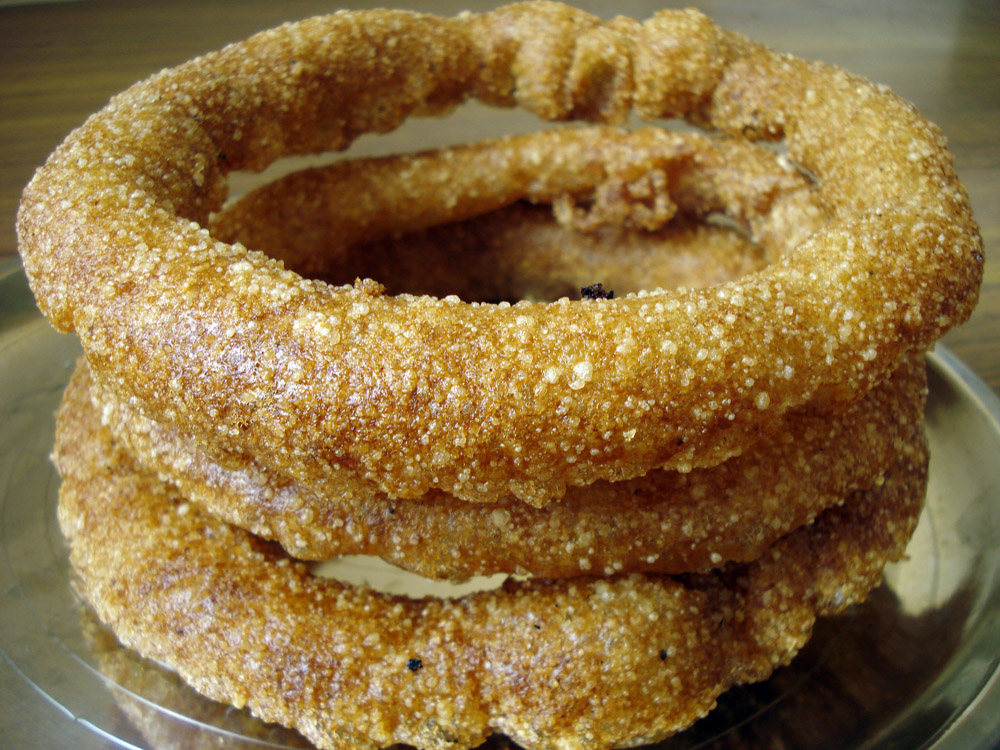
Once a year the town becomes a destination in its own right. Maghe Sankranti falls on the first day of the month of Magh in the Nepali calendar, around 14 January, when the sun enters Makara, or Capricorn. It marks the turn from the coldest days towards longer, warmer ones. Nepali Hindu families bathe in rivers, visit relatives and eat festive foods such as chaku, ghee and sweet potatoes, and in the hills sel roti is fried at home for the day.
At Jorethang the day is marked by a week-long mela on the banks of the Rangeet. Sikkim government notices put the 71st Maghe Sankranti Mela at 14–22 January 2026, which shows how long the fair has run. Expect stalls, food, crowds and evening programmes, and plenty of families from nearby villages in their best clothes. If you are passing in mid-January, plan a night here, and check current status before you travel, as dates are confirmed each year.
Pinned to the board
Did you know
At the 2011 census Jorethang had 9,009 residents, and Nepali was the most common language, followed by Hindi.
The Rangeet, which flows past Jorethang, is a tributary of the Teesta, joining it downstream near the West Bengal border.
The Kirateshwar Mahadev Temple at Legship, up the Rangeet from Jorethang, holds its biggest gatherings at Bala Chaturdashi in November–December and Maha Shivaratri in February–March.