spiritual · Chungthang, North Sikkim
Guru Rinpoche's rock and paddy patch
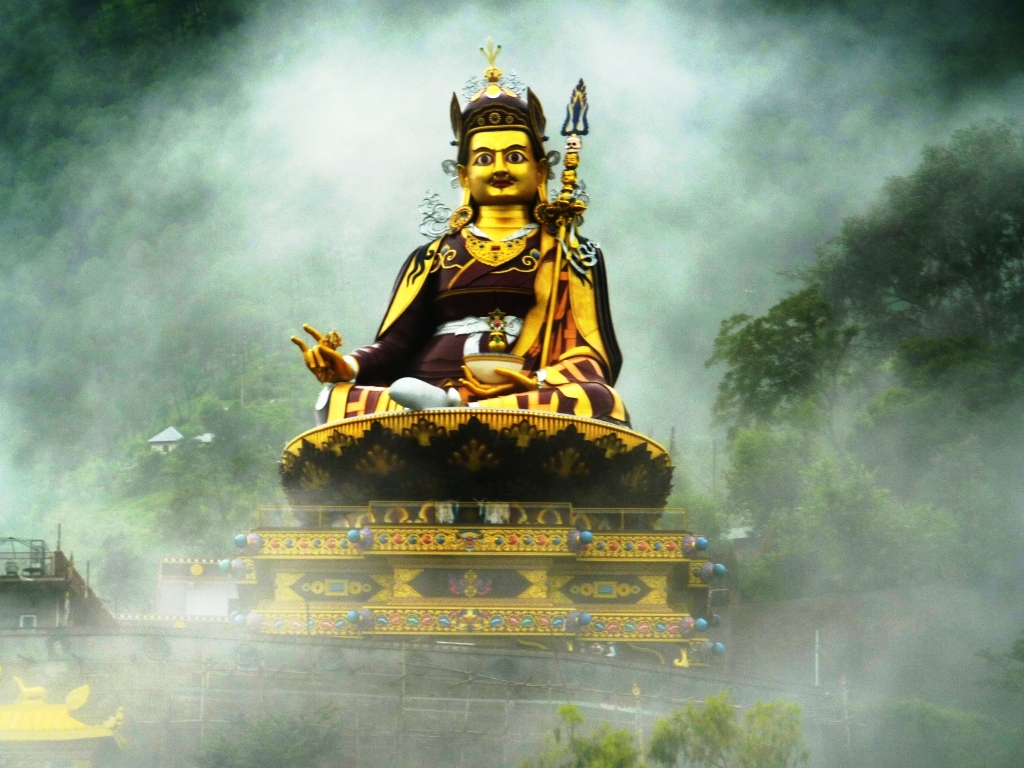
The site is a few minutes from the bazaar. A large rock is enclosed by prayer flags and a shrine; pilgrims point out marks they hold to be the handprints and footprints of Guru Rinpoche. A small spring flows from the rock, and people drink or carry away its water as a blessing.
Beside it is the patch of paddy that gives the place its legend. According to tradition, Guru Rinpoche threw his leftover rice here after a meal, and rice has grown on this spot ever since, though it does not normally grow in the area. Locals also say that he subdued a troublesome spirit here on his way back from Tibet.
Visit quietly. Walk clockwise around the rock, take off your shoes if you enter the shrine and ask before taking photographs of people at prayer. A small offering is welcome. Twenty minutes is enough, and it turns Chungthang from a tea stop into a place with meaning.
Good for
Questions people ask
Good to know
What is the sacred rock at Chungthang
It is a rock known as Lhedo or Neydo, which Buddhist tradition says bears the handprints and footprints of Guru Padmasambhava, who passed through on his way back from Tibet in the 8th century. A spring flows from it. It is a pilgrimage site and a short walk from the bazaar.
Why does rice grow at Chungthang
The legend says Guru Padmasambhava scattered leftover rice here after a meal, and a small patch of paddy has grown on the spot ever since, though rice does not normally grow at this height. It is a story of faith; the patch is still tended and shown to visitors.
Can tourists stop at Chungthang on the way to Lachung
Yes. Most group vehicles stop in Chungthang for tea or lunch. Ask your driver in the morning to include 15–20 minutes at the sacred rock. Keep to the agreed time, since drivers need to reach Lachung or Lachen before dark and observe checkpost timings.


