culture · Wangdue Phodrang, Bhutan
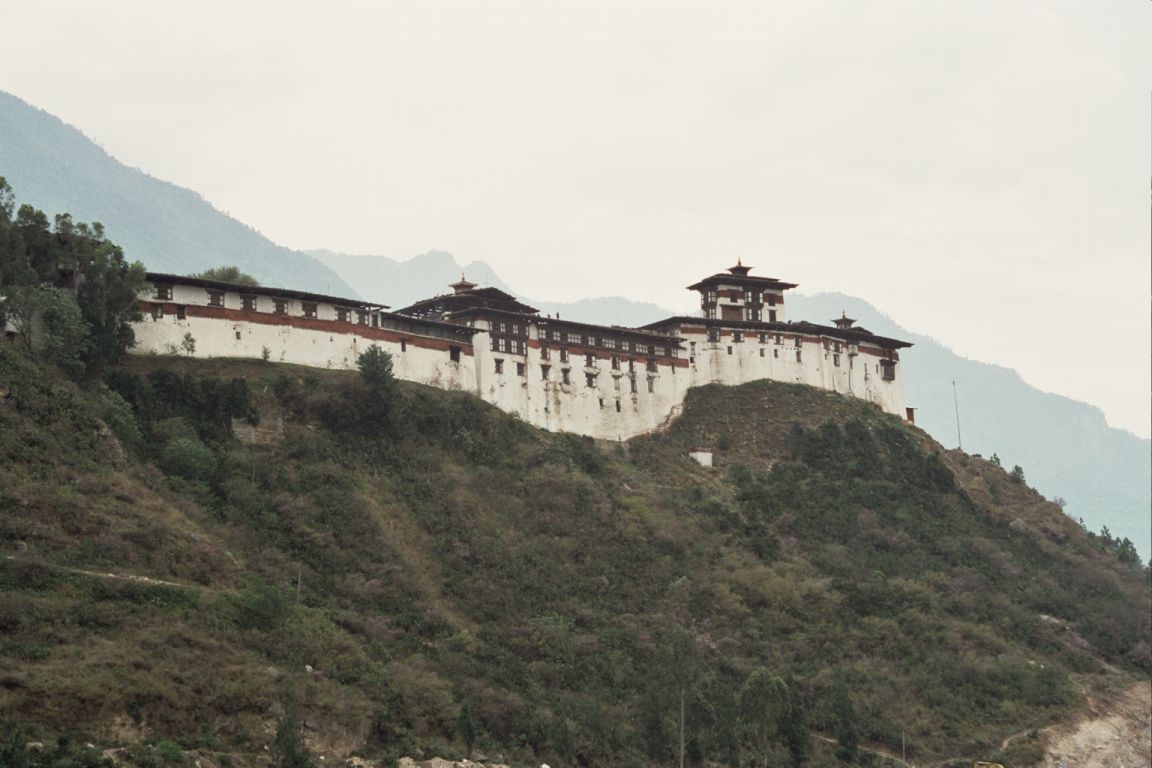
Wangdue Phodrang Dzong after the rebuild

The dzong stands on a long, narrow ridge where the Dang Chhu meets the Punatsang Chhu, with steep drops on both sides. It was founded by Zhabdrung Ngawang Namgyal in 1638 and became one of the main fortresses of his new state, controlling the way south and the road into central Bhutan. For nearly four centuries it housed the district administration and a monk body, and it was one of the best-known dzongs in the country for its setting.
On 24 June 2012 a fire destroyed most of the building. Bhutan chose to rebuild it on the same plan, and the work took about ten years, with traditional carpenters, masons and painters using timber, stone and rammed earth. The dzong was reconsecrated in 2022. Walking through it now, the woodwork is pale and the paintings bright, and your guide can explain which parts are new and which old foundations survived.
Allow under an hour. Visit in the morning, before the valley heats up, and combine it with lunch in Bajothang and the walk to Rinchengang. Usual dzong rules apply: long sleeves, long trousers or skirt, no caps, and no photographs inside the temples. Opening hours depend on official and religious work, so let your guide confirm the day's timings.
Good for
Questions people ask
Good to know
Is Wangdue Phodrang Dzong open after the fire
Yes. The dzong was destroyed by fire in June 2012, rebuilt over about ten years in the traditional way and reconsecrated in 2022. It again houses offices and monks, and visitors can enter with a licensed guide during opening hours. Fees and timings change, so check current status before you travel.
How old is Wangdue Phodrang Dzong
The dzong was founded by Zhabdrung Ngawang Namgyal in 1638, a year after Punakha Dzong was completed. The building you see today is largely a reconstruction finished in 2022, on the original plan and with some surviving foundations, after the fire of 24 June 2012 destroyed most of the old structure.
How long should I spend at Wangdue Phodrang Dzong
Around 45 minutes to an hour is enough for the courtyards and the main temple with a guide. Most travellers visit it on the way between Punakha and Phobjikha, adding lunch in Bajothang and, if time allows, the short walk to Rinchengang village, for a stop of about two hours in all.