Now in the hills

DarjeelingTour Plan
Gasa
Photo: Norbu2023 · CC BY-SA 4.0, Wikimedia Commons

hill town · Bhutan

Hot springs and a frontier dzong at the top of the Mo Chhu

Best Oct – Apr1 nights
Gasa is Bhutan's smallest and least populated district town, at about 2,800 m in the far north, 3–4 hours up the Mo Chhu valley from Punakha. Come for Gasa Tsachu, the hot springs Bhutanese families visit in winter, the frontier dzong, and as the road head for Laya and Jigme Dorji National Park.

Most travellers go no further north than Punakha Dzong. Follow the Mo Chhu upstream from there, though, and the road climbs for 3–4 hours through rice terraces, then forest, into the high, steep valleys of Gasa. The district is the least populated in Bhutan, and most of it lies inside Jigme Dorji National Park, which runs up to the border with Tibet. The town itself is tiny: a dzong, district offices, a school, a few shops and houses strung along the slope at about 2,800 m.

Bhutanese know Gasa for one thing above all: the tsachu, the hot springs below the town. Every winter, families and groups of pilgrims come for days or weeks at a time to bathe in the pools, which are believed to ease aches and illnesses. The government has rebuilt the bathing area with covered pools at different temperatures, changing rooms and simple places to stay. For visitors, a soak here is one of the most local things you can do in Bhutan, and you will usually be the only tourists in the water.

Gasa is also the start of some of Bhutan's great treks. The trail to Laya, a high village of yak herders at about 3,800 m, begins here, and the long Snowman Trek passes through. Since 2016, Laya has hosted the Royal Highlander Festival in October, which brings herders from across the north. Gasa needs a route permit, which your operator arranges in Thimphu, and a licensed guide. The road from Punakha can be damaged by landslides in the monsoon; check current status before you travel.

Don't miss

Highlights of Gasa

Gasa Tsachu hot springs

Covered bathing pools fed by hot springs, each at a different temperature, used by Bhutanese families and pilgrims for days at a time in winter. Bring a swimsuit and towel, follow local etiquette, and plan an evening and a morning soak.

Gasa Dzong

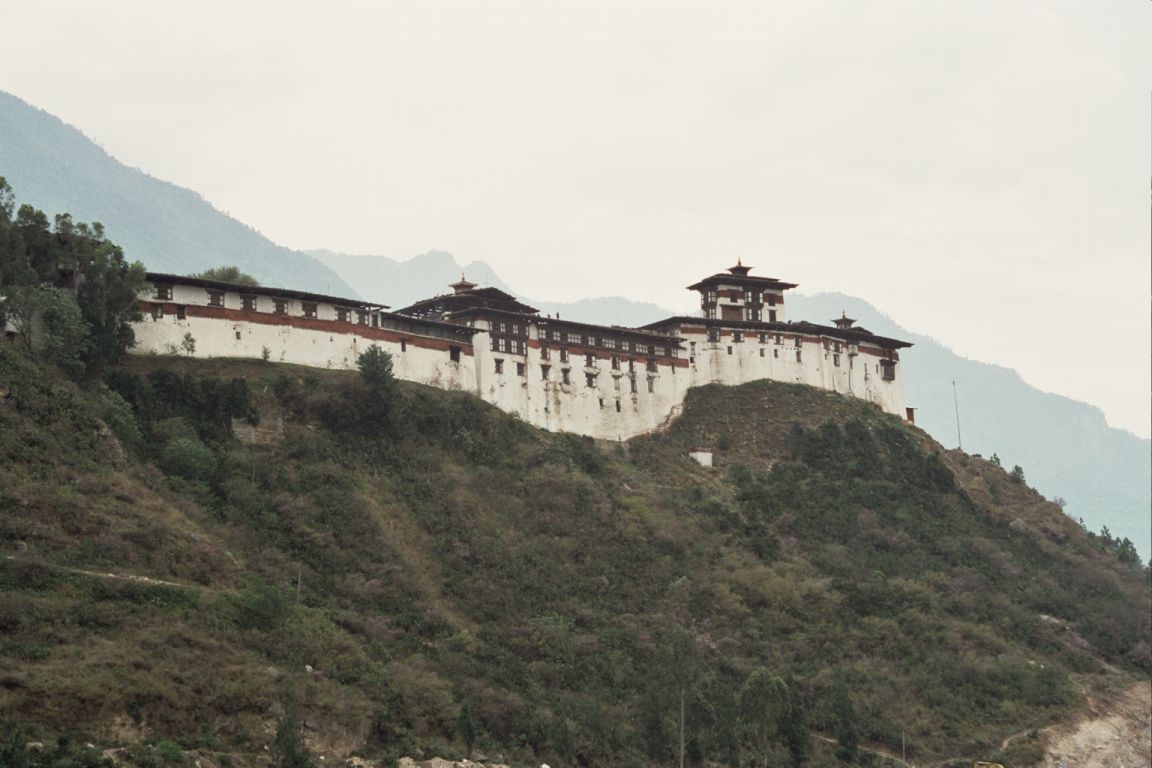
A 17th-century frontier dzong on a hill above town, built under the Zhabdrung to guard the route from Tibet. Its rounded plan around a central tower is unusual. On clear days snow peaks rise behind it, best seen in the morning.

The drive up the Mo Chhu

The road from Punakha follows the Mo Chhu north past rice terraces, farm villages and the turn to Tashithang, then climbs through forest. It is slow but scenic, and you see a side of Bhutan most visitors miss.

Jigme Dorji National Park

Bhutan's second-largest protected area covers most of the district, from subtropical forest to glaciers. It is home to takin, blue sheep and snow leopards, though you are unlikely to see the rarer animals on a short visit.

Gateway to Laya

Gasa is the road head for treks to Laya, a high village of yak herders known for the women's conical bamboo hats. The Royal Highlander Festival takes place there in October. Reaching Laya needs extra days and careful planning.

Told in the hills

A dzong on the northern frontier

Gasa Dzong, formally Tashi Thongmoen Dzong, stands on a hill above the town with snow peaks behind it on clear days. It was built in the 17th century under Zhabdrung Ngawang Namgyal, the founder of the Bhutanese state, when Tibetan armies were repeatedly attacking the young country from the north. Gasa sat on one of the routes over the mountains from Tibet, and the dzong was built to watch and defend it. Its round shape, with buildings arranged around a central tower, is unusual among Bhutan's dzongs.

For centuries Gasa was also a trading post. Herders from Laya and Lunana, the high villages to the north, brought yak products, cheese and butter down to exchange for rice and other goods from the Punakha valley. Before the road came, the walk from Punakha took several days, and the Gasa route was one of the main links between the high north and the rest of Bhutan.

The hot springs have their own place in tradition. Bhutanese believe the waters of a tsachu carry healing power, and local accounts link the Gasa springs to blessings from great lamas of the past. Whatever you believe, the bathing season tells the story: in December, January and February, the pools fill with farmers, monks and families who come after the harvest to rest, talk and soak for days.

Pinned to the board

Did you know

Gasa is the least populated of Bhutan's 20 districts.

Most of Gasa District lies within Jigme Dorji National Park, which stretches north to the border with Tibet.

The Royal Highlander Festival, celebrating Bhutan's high-altitude herders, has been held at Laya in Gasa District since 2017.

Getting there

How to reach Gasa

Reserved carFrom Punakha, the road runs north along the Mo Chhu and climbs to Gasa, about 70–80 km and 3–4 hours depending on road conditions. Some stretches are narrow and rough. A Bhutan-registered car with driver costs about ₹4,500–6,500 a day, indicative 2026; ask your operator whether a 4WD is advised. Landslides close the road at times in the monsoon; check current status before you travel.
Permits and guideGasa is outside the Thimphu–Paro area, so your operator gets a route permit from the immigration office in Thimphu on a working day. A licensed guide is required for both Indian and international visitors, and treks to Laya need a trekking permit and a licensed trekking guide. Check current status before you travel.
Rail / AirThe nearest airport is Paro, about 6–7 hours by road via Thimphu and Punakha. Overland, enter at Phuentsholing via NJP or Hasimara and reach Punakha over two days. Most travellers go to Gasa from a base in Punakha.

Costs in Gasaindicative, 2026

  • Gasa Tsachu bathingFree or a small fee, check current status before you travel
  • Simple guesthouse room near the springs₹1,500–3,500 per room night, indicative 2026
  • Car with driver, Punakha–Gasa–Punakha₹4,500–7,500 a day, indicative 2026
  • Licensed guide₹2,000–3,000 a day, indicative 2026
  • SDF, Indian nationals / most others₹1,200 / US$100 per person per night, check current status before you travel

Fares and fees change with fuel prices, season and local union rates. Check current rates before you travel.

Money-saving tip

Pair a Gasa night with your Punakha stay instead of adding a separate leg; you keep the same car and guide and only add one night of SDF and a simple room.

Where to stay

Sleeping in Gasa

Gasa has very few places for tourists. Around the hot springs there are simple government-built guesthouses and rooms used mainly by Bhutanese bathers, with basic bathrooms and shared facilities; ask your operator what is currently certified for tourists. In the town itself there are one or two small guesthouses. Many visitors instead stay in the Punakha valley, at Hotel Lobesa or Dhensa Boutique Resort, and do Gasa as a long day trip, but that leaves only an hour or two in the water. If you want a proper soak, take a night at Gasa with low expectations of the room.

On the map

Map of Gasa, Punakha, Wangdue Phodrang, ThimphuIndiaChinaBhutanGasa1GasaPunakha2PunakhaWangdue Phodrang3Wangdue PhodrangThimphu4Thimphu20 kmN
  1. 1Gasa
  2. 2Punakha
  3. 3Wangdue Phodrang
  4. 4Thimphu
Drawn by Darjeeling Tour Plan from Natural Earth outlines (public domain). Borders as depicted by India. Not for navigation.

Questions people ask

Gasa: questions answered

How far is Gasa from Punakha

About 70–80 km, or 3–4 hours by car, following the Mo Chhu north from Punakha and climbing through forest to Gasa at about 2,800 m. Some stretches are narrow and rough, and monsoon landslides can close the road. Most visitors go from a base in Punakha and stay one night at Gasa. Check current status before you travel.

Is Gasa worth visiting

Yes, for travellers who have seen the main western sights and want something local and quiet. The hot springs, a small frontier dzong and the drive up the Mo Chhu valley are the reasons to go. On a first short trip to Bhutan, Punakha and Phobjikha are better uses of the time.

Do I need a permit for Gasa

Yes. Gasa is outside the Thimphu–Paro area covered by the entry permit, so your operator needs a route permit from the immigration office in Thimphu, issued on working days. A licensed guide is required. Treks beyond Gasa to Laya need a separate trekking permit and a licensed trekking guide. Check current status before you travel.

Can I do Gasa as a day trip from Punakha

It is possible but long: 6–8 hours of driving in total, leaving only an hour or two at the hot springs and the dzong. We suggest one night at Gasa so you can soak in the evening and the morning. If time is short, do the drive only if the road is in good condition.

Is Gasa the least populated district in Bhutan

Yes. Gasa is the least populated of Bhutan's 20 districts, with only a few thousand residents spread across a large, mountainous area, most of it inside Jigme Dorji National Park. Haa is the second least populated. Settlements include Gasa town, Laya and Lunana, the last two among the highest villages in the country.

What is the weather like in Gasa

Gasa at about 2,800 m is cool most of the year. Winter days can be sunny and around 5–12 °C, with nights near or below freezing. Spring and autumn are mild. June to August is the monsoon, with heavy rain, cloud and landslide risk on the road. October to April is the best time to visit.

What should I bring to the Gasa hot springs

A swimsuit or shorts and T-shirt, a quick-dry towel, flip-flops, a warm jacket for walking between pools and lodgings, a water bottle and a small bag for wet clothes. Bring your own toiletries for showering, but do not use soap or shampoo in the pools. A head torch helps for evening soaks.

Can I trek from Gasa to Laya

Yes, with a licensed operator and trekking guide. The route follows the Mo Chhu north from the road head beyond Gasa to Laya, about 3,800 m, over one or two days depending on how far the road reaches. It needs fitness, warm gear and acclimatisation. Laya is also on the longer Laya–Gasa and Snowman trek routes.

Where should I stay for Gasa

Simple government-built guesthouses near the hot springs and one or two small places in town are the only options, mostly basic. Ask your operator which are certified for tourists. Many travellers stay in the Punakha valley at Hotel Lobesa or Dhensa Boutique Resort and visit Gasa for a day or one night only.

Start planning

Tell us the trip, we'll price it three ways

Dates, who is coming and roughly what you want to spend. A planner replies within one working day with a route and a budget, comfort and premium price, so you can see exactly what each extra rupee buys.

  • No payment to startPay only when you confirm
  • Three prices, in writingBudget, comfort, premium, line by line
  • One plannerOn WhatsApp from pickup to drop
  • Permits handledSikkim and Bhutan paperwork sorted

Get a free plan and price

Reply within one working day · no payment to start

We reply by email or WhatsApp. Read our privacy policy.

Get a free plan