Pemayangtse Cham
Feb, 28th–29th day of the 12th Tibetan month, just before Losar (lunar calendar)
Pemayangtse was founded by Lhatsun Chenpo in 1647, five years after he helped crown the first Chogyal at Yuksom, and its monks were long the ones who anointed Sikkim's kings. At the end of every Tibetan year, on the 28th and 29th days of the twelfth lunar month, they bring out the costumes and masks for the Cham, the sacred dance that clears away the obstacles of the old year before Losar.
Dancers in heavy brocade turn slowly to drums, long horns and cymbals, playing wrathful protectors such as Mahakala and Guru Drakmar, the fierce form of Vajrakila. The movements are prayers, not a show, and the crowd treats them that way. On the last day a large embroidered scroll is displayed, and fireworks mark the driving out of evil spirits. Between dances, younger monks clear the ground and elders keep the rhythm going.
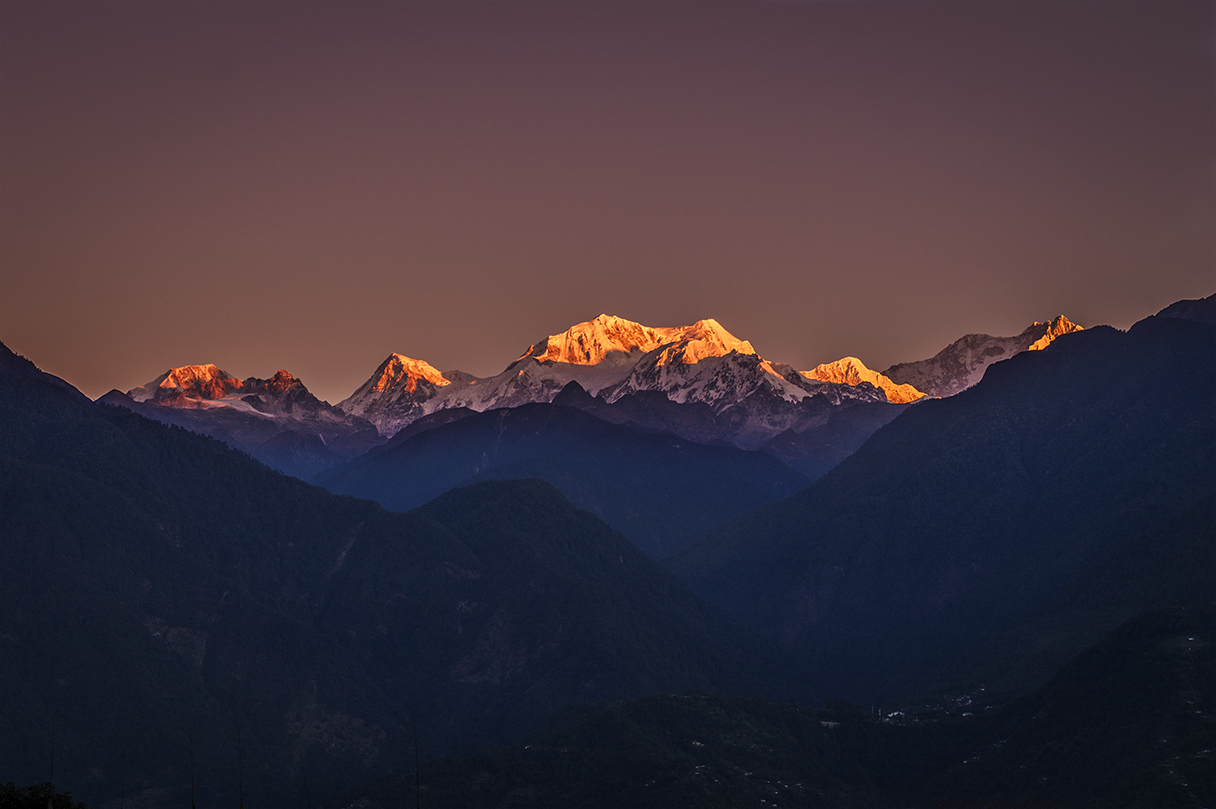
February is cold in Pelling, often 1–10 °C, but the skies are usually clear and Kangchenjunga stands over the monastery roof. Hotels are quiet and cheap compared with October, which makes the Cham one of the best-value festival trips in Sikkim. Pair the festival with the Rabdentse ruins and the Sanga Choeling walk on the days before or after, and you have a full, low-cost winter trip built around one of Sikkim's oldest monasteries. Wrap up warmly for the long hours in the open courtyard.
How to do it well
- Dates follow the Tibetan calendar and move each year; confirm them with the monastery or your hotel a month ahead.
- Arrive by mid-morning to find a spot on the courtyard steps, and bring a cushion and a flask of tea.
- Do not walk across the dance ground or use flash, and ask before photographing monks up close.
Questions people ask
Good to know
When is the Pemayangtse Cham dance held
It is held on the 28th and 29th days of the twelfth month of the Tibetan lunar calendar, which usually falls in February, just before Losar, the Tibetan New Year. Because it follows the lunar calendar, the Gregorian dates shift every year. Ask the monastery or a Pelling hotel to confirm the exact days before you book travel.
Is there an entry fee for the Pemayangtse festival
Watching the Cham itself is generally free, as it is a religious ceremony open to all. The monastery charges a small entry fee on ordinary days, roughly ₹20–50, indicative, and may ask for a donation. Check current status before you travel. Spend instead on a warm shawl: February mornings at 2,085 m are close to freezing.
Where should I stay for the Pemayangtse Cham
The Elgin Mount Pandim sits directly opposite the monastery, so it is the easiest choice if your budget allows. Otherwise stay in Upper Pelling, about 2–3 km away, where budget hotels such as Hotel Garuda are a short drive or a 40-minute walk from the monastery. February rates are among the lowest of the year.
Can tourists watch the Cham dance at Pemayangtse
Yes. Visitors of every faith are welcome to watch from the edges of the courtyard. Dress modestly, keep your voice low, never cross the dance area and switch off flash. The dances are acts of worship, so do not ask dancers to pose. Local families come in their best clothes; it is a good day to see Sikkimese dress.