culture · Pelling, Pelling
Rabdentse ruins walk

The walk starts at a gate on the Pelling–Gyalshing road, about 3 km from Upper Pelling. A stone path of roughly 15 minutes runs through forest to the ruins. It is mostly level with a few steps, so most families and older travellers manage it at an easy pace. Birds call from the trees, and there is usually nobody else on the path before 8 am. Carry a light jacket even in April.
Rabdentse was built in 1670 by the second Chogyal, Tensung Namgyal, after the court left Yuksom. On the way in you pass the Namphogang, a stone seat with standing stones where judges are said to have pronounced verdicts, and the Taphap Chorten, where visitors dismounted from their horses. The palace itself is now low walls on a terrace, with the royal quarters to the north and the audience area to the south.
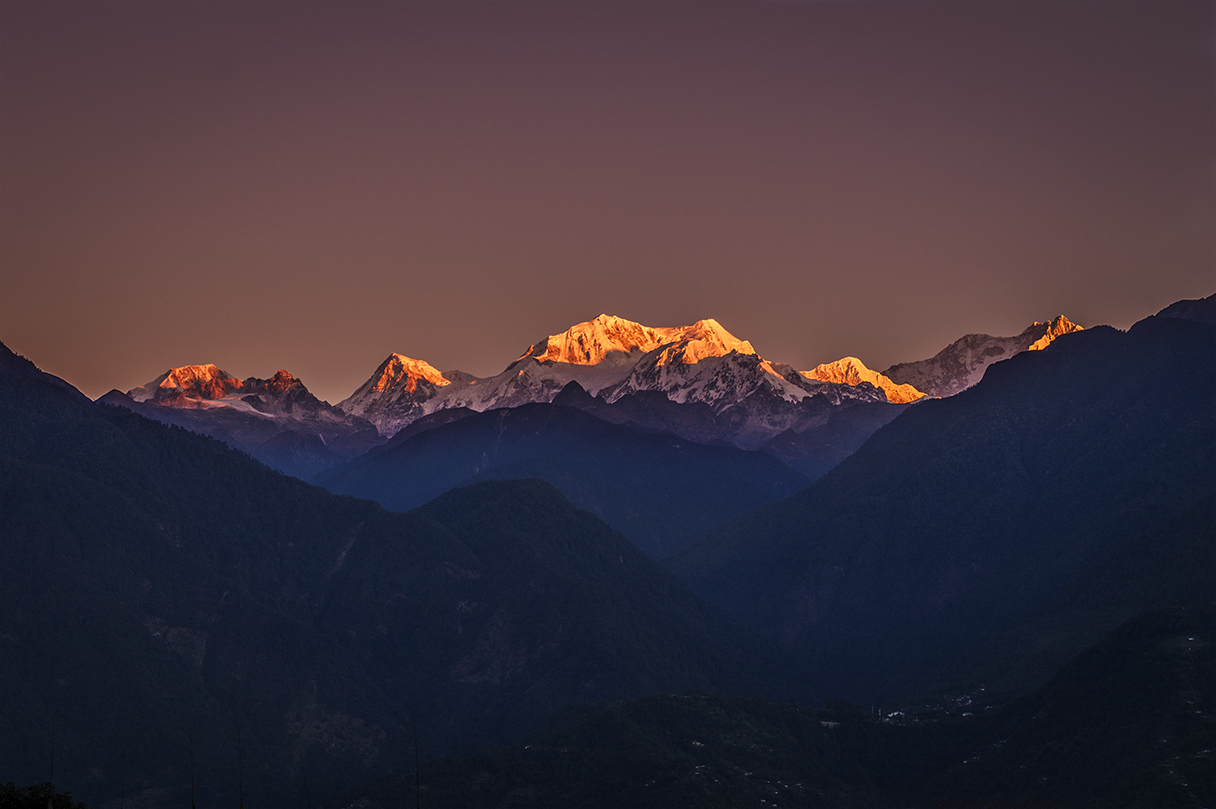
The site is protected by the Archaeological Survey of India, and the ticket is cheap. Give yourself time to sit on the upper terrace and look north. This was the view of the kings, and on a clear day Kangchenjunga and the range beside it sit right above the ruins. Walk on to Pemayangtse afterwards; it is a short distance up the road. Take your rubbish back out with you, as there are few bins on the site.
Good for
Questions people ask
Good to know
How long is the walk to Rabdentse ruins
From the gate on the Pelling–Gyalshing road it is about a 15-minute walk on a stone forest path, mostly level with a few steps. Allow 1.5–2 hours in all to walk in, look around the chortens and terraces, sit for the view and walk back. Most people combine it with Pemayangtse Monastery, which is close by.
What is the entry fee for Rabdentse
Rabdentse is an ASI-protected monument, and the ticket is about ₹25–50 for Indian visitors and higher for foreign nationals, indicative, 2026. Fees and timings are set by the Archaeological Survey of India and can change, so check current status before you travel. Carry small change, as card payment may not be available at the gate.
Can you see Kangchenjunga from Rabdentse
Yes, on clear days. The ruins sit on a ridge facing north, and Kangchenjunga with its neighbouring peaks rises above the site. The best chance is early morning from October to December. By late morning clouds often cover the range, and from June to September the mountain is usually hidden by monsoon cloud.